

Fintech explained for people who use it
Independent guides on digital banking, credit building, payment apps, and financial tools. Research-backed, plainly written, no affiliate tricks.
Start with neobanks →
The short version: Fintech apps now handle checking, savings, credit building, and payments for millions of Americans. But most financial advice sites still write about traditional banks. Buncto covers the tools people actually use, explains how they work under the hood, and compares them honestly.
Start Here
Best Neobanks for Everyday Banking
Which digital-only banks are worth using as your primary account, and what to watch for before you switch.
How to Build Credit From Scratch
A realistic timeline for building credit when you have none, using fintech tools that report to all three bureaus.
High Yield Savings Accounts Explained
How HYSAs actually work, where the yield comes from, and how to pick the right one without chasing rates.
Buy Now Pay Later: The Complete Guide
What BNPL costs, how it affects your credit score, and when it makes sense versus a credit card.
Latest Articles
Common Questions
A neobank is a digital-only financial company that offers banking services through an app, with no physical branches. Most neobanks partner with FDIC-insured banks to hold deposits, so your money is protected up to $250,000. The main differences are lower fees, earlier direct deposit access, and app-first features, but they may lack in-person support.
Yes. Credit builder loans, rent reporting services, and secured credit builder accounts from fintech apps all report to credit bureaus without requiring a traditional credit card. Tools like Self, Grow Credit, and Chime Credit Builder let you build payment history through regular payments instead of revolving credit.
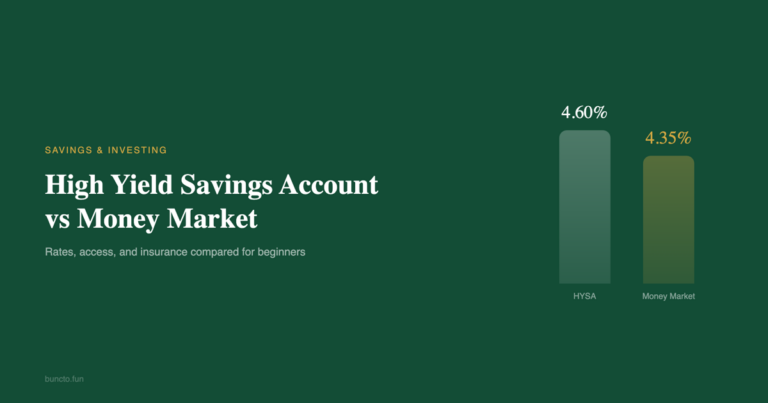
HYSAs at FDIC-insured banks are as safe as regular savings accounts. Your deposits are protected up to $250,000 per depositor per bank. The higher yield comes from lower overhead costs at online banks, not from riskier investments. Rates do fluctuate with the federal funds rate.
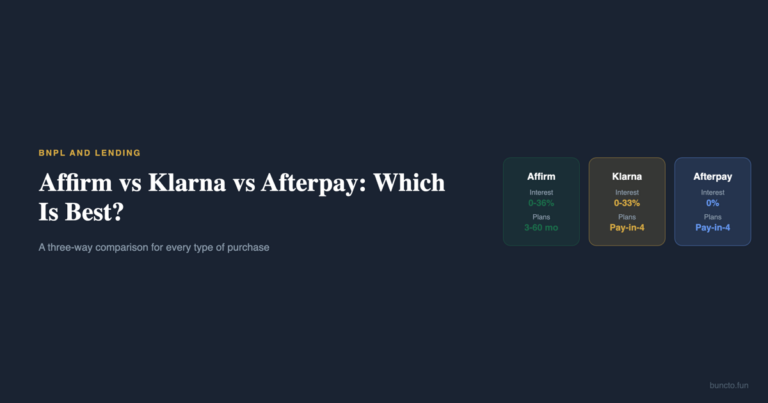
It depends on the provider and payment plan. As of 2025, Affirm, Klarna, and Afterpay report to at least one credit bureau. On-time payments can help your score; missed payments will hurt it. Short-term pay-in-four plans have less impact than longer installment loans that appear as tradelines.
Payment apps are generally safe for transactions with people you know. The key risk is fraud, not hacking. Zelle transactions are instant and usually irreversible. Venmo offers purchase protection for goods and services transactions but not for personal payments. Never send money to strangers on any platform.
Buncto may earn referral fees when readers apply for financial products through links on this site. This does not influence our research or recommendations. We disclose all affiliate relationships clearly and recommend products we would use ourselves. Read our full disclosure policy.
Buncto is an independent publication. We are not a bank, not a government agency, and not affiliated with any financial product we cover. All guides follow our published research methodology.